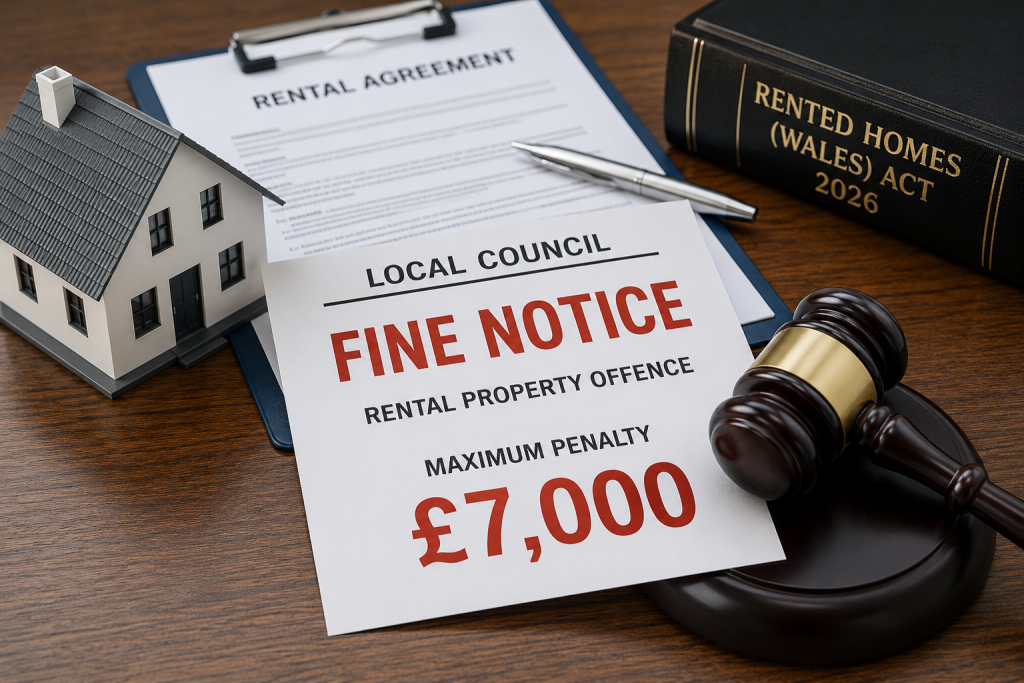
From 22 June 2026, local councils across England have been given new powers to issue fines of up to £7,000 where landlords fail to deal with serious hazards in privately rented properties.
The new powers form part of the Government’s ongoing implementation of the Renters’ Rights Act, which is designed to improve standards in the private rented sector and provide greater protection for tenants.
For landlords, the message is clear: compliance is no longer simply best practice – it’s essential.
What Can Landlords Be Fined For?
Councils can now issue civil penalties where landlords fail to take reasonable steps to address serious health and safety hazards within their properties.
These hazards include issues such as:
- Damp and mould
- Faulty electrical installations
- Fire hazards
- Structural defects
- Dangerous stairs or flooring
- Unsafe layouts
- Excess cold caused by inadequate heating
- Carbon monoxide risks
- Poor ventilation
The legislation focuses on the most serious hazards identified under the Housing Health and Safety Rating System (HHSRS), giving councils greater powers to intervene before conditions deteriorate further.
Why These Changes Matter
For many landlords, maintaining a property has always been about protecting their investment and providing a good home for tenants.
However, the new legislation significantly increases the consequences of failing to act.
Rather than relying solely on lengthy enforcement procedures, councils can now issue financial penalties much earlier where landlords ignore serious hazards or fail to carry out necessary repairs.
Prevention is Always Cheaper Than Enforcement
Most major property issues don’t appear overnight.
A small leak can become severe damp.
Poor ventilation can quickly lead to mould.
A minor electrical fault can become a serious fire risk.
Regular inspections and preventative maintenance allow landlords to identify these issues early, reducing both repair costs and the likelihood of enforcement action.
Keep Accurate Records
One of the best ways to demonstrate compliance is by maintaining thorough records.
Landlords should keep copies of:
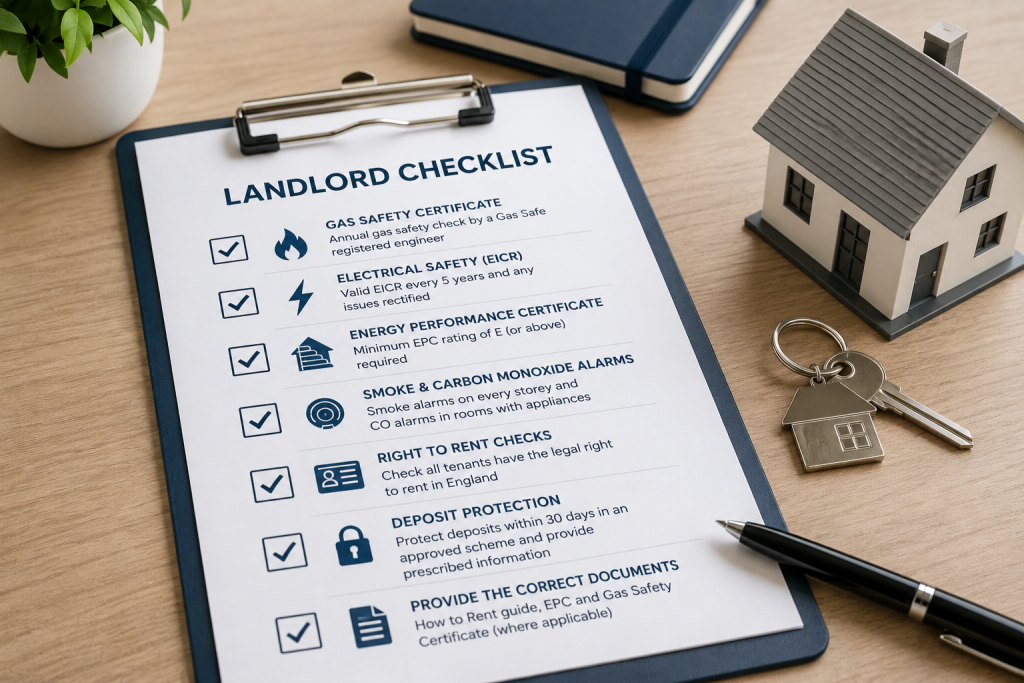
- Gas Safety Certificates
- Electrical Installation Condition Reports (EICRs)
- Energy Performance Certificates (EPCs)
- Property inspection reports
- Maintenance records
- Photographs of repairs
- Communication with tenants
- Contractor invoices
Should a complaint arise, comprehensive documentation can provide valuable evidence that appropriate action has been taken.
How KBOL Property Services Can Help
At KBOL Property Services, we help landlords stay one step ahead of changing legislation.
Our professional services include:
- Property Inspections
- Inventory Management
- Tenant Check-Ins & Check-Outs
- Property Maintenance
- 24/7 Emergency Repairs
- Key Holding Services
- Compliance Support
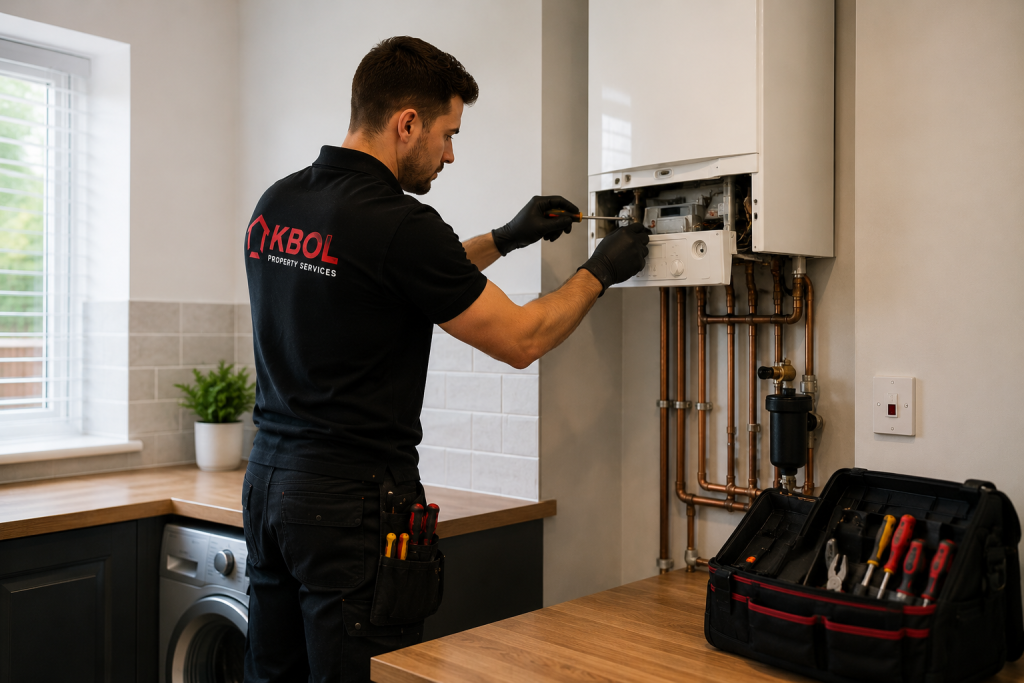
- Coordination of Gas Safety and Electrical Inspections
By carrying out regular inspections, responding quickly to maintenance issues and helping landlords maintain accurate property records, we can help reduce the risk of costly enforcement action.
Final Thoughts
The new £7,000 penalty powers are intended to drive up standards across the private rented sector and encourage landlords to address serious hazards before they put tenants at risk.
For professional landlords, the best approach is simple: inspect regularly, maintain proactively and keep accurate records.
Taking preventative action today is far less expensive than facing enforcement tomorrow.
If you’d like support keeping your property compliant, safe and professionally managed, contact KBOL Property Services to find out how we can help.